PisaCard Partner Location
Palazzo Blu
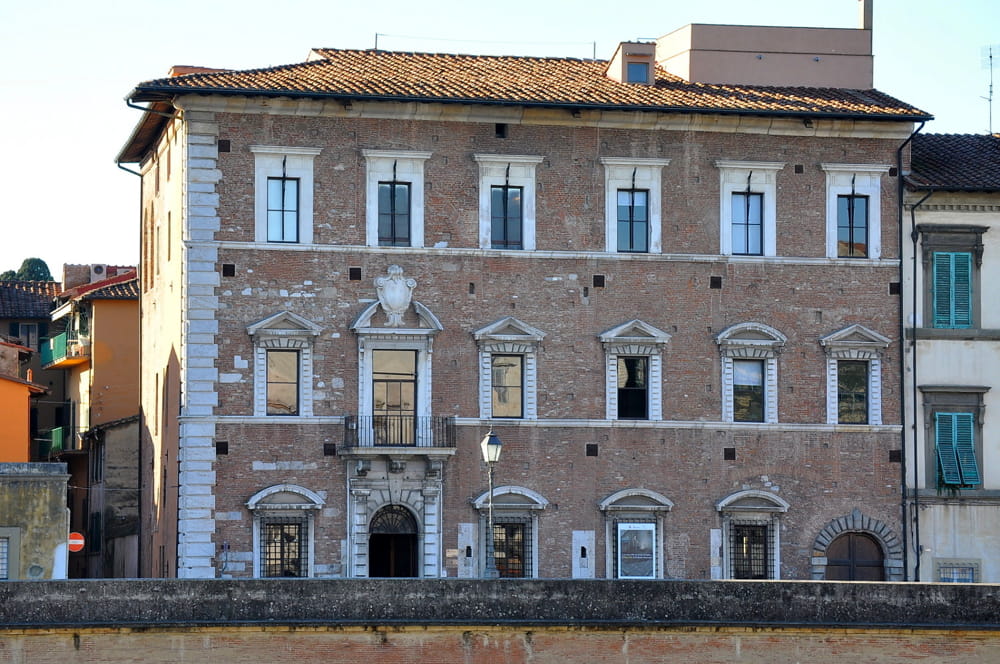
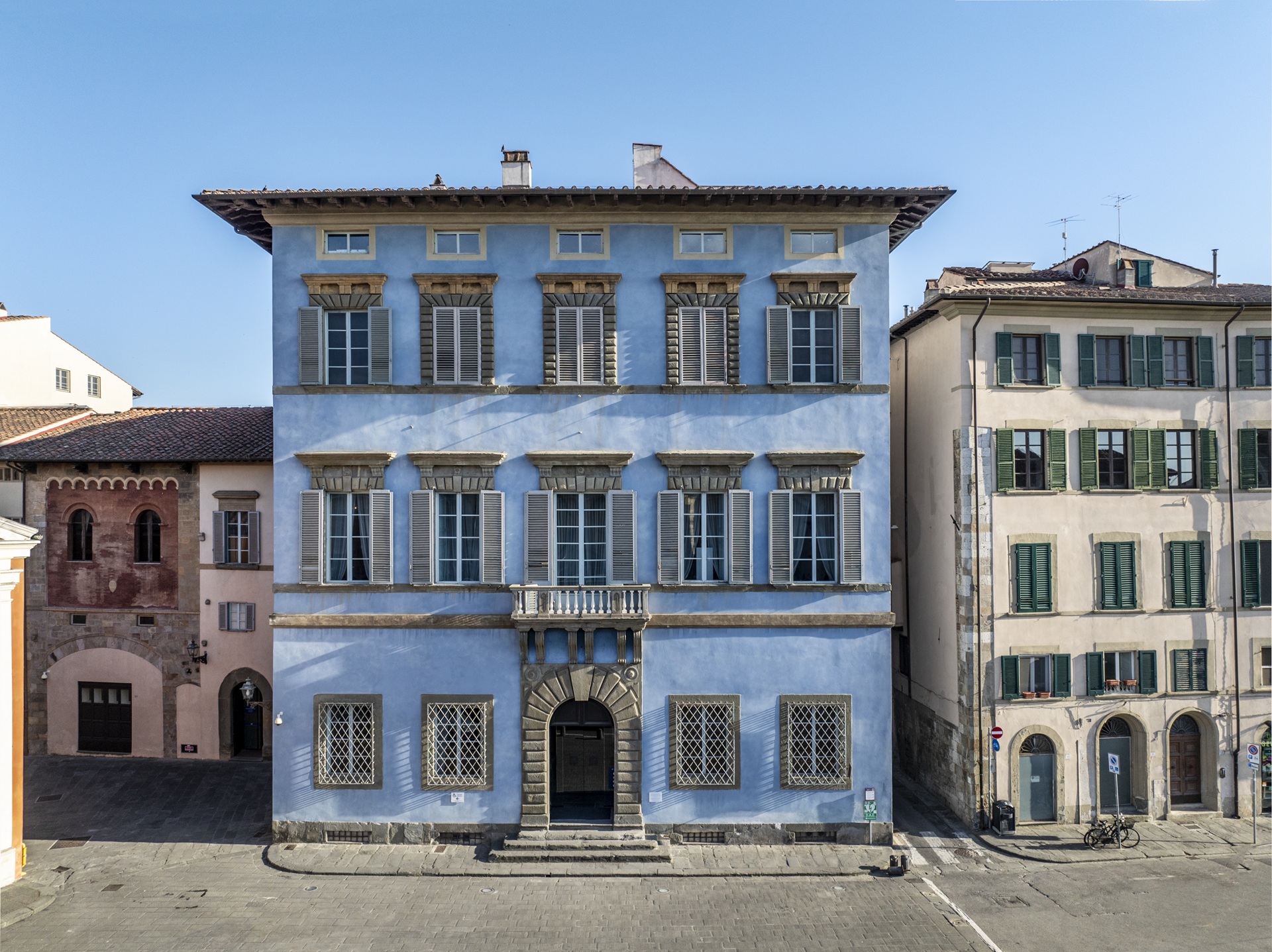
Palazzo Blu is one of Pisa's main exhibition and cultural centers. Housed in a historic building on Lungarno Gambacorti, it hosts major art exhibitions, showcases a rich permanent collection, and organizes educational, musical, and cultural activities. It represents a reference point for the promotion of art and culture at both local and national levels.
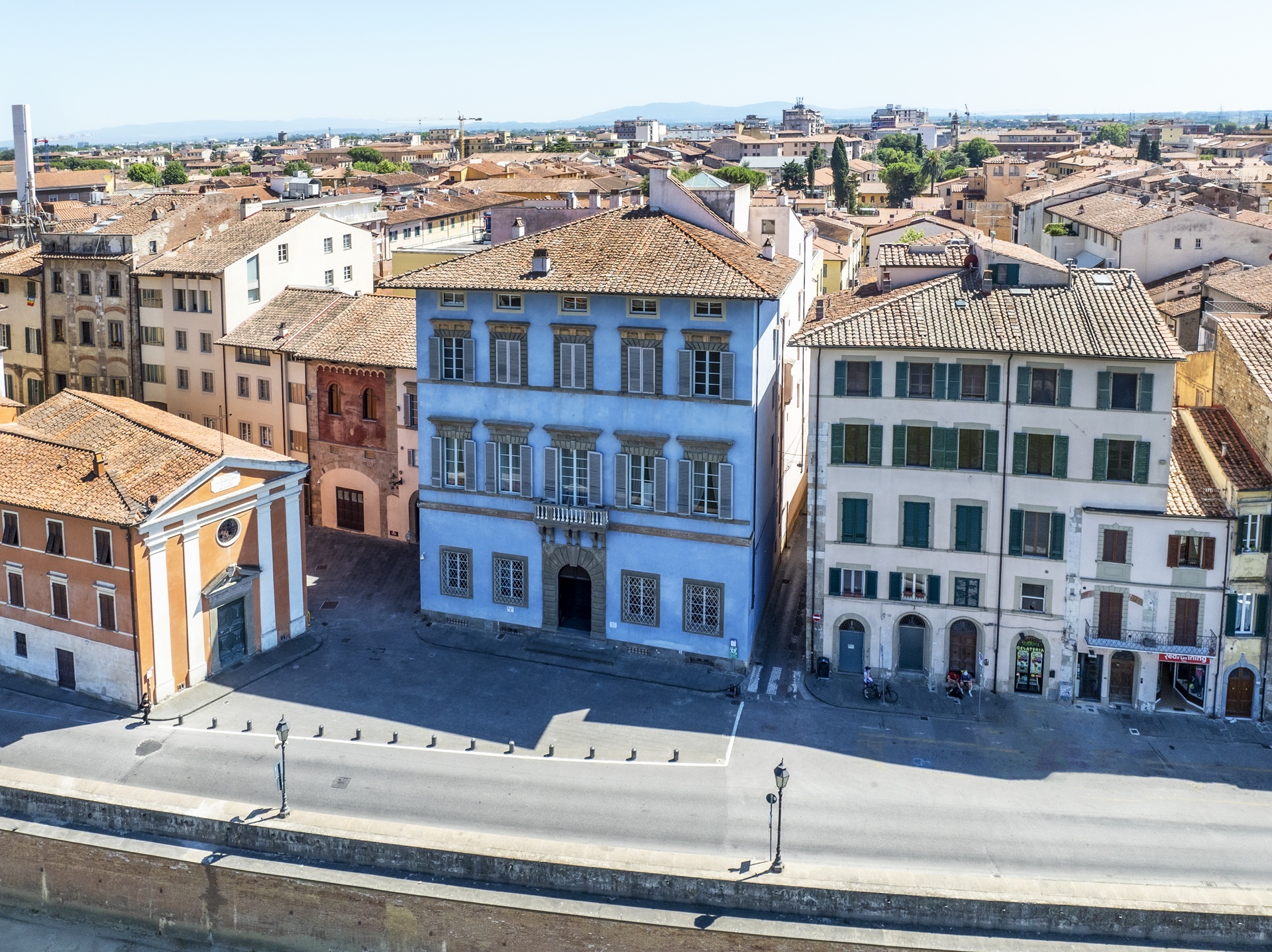
PALAZZO BLU
Palazzo is the center for temporary exhibitions and diverse cultural activities managed by the Fondazione Palazzo Blu. Located on the southern Lungarno in the heart of the city's historic center, just steps from the Ponte di Mezzo. The ancient noble palace, restored by the Fondazione Pisa, serves as a modern instrument for enriching the city's cultural offerings and is part of the broader project to enhance tourism through the circuit of museums overlooking the Lungarno, the artery of great historical and cultural value that crosses the city from east to west.
BLU, Palace of Art and Culture hosts:
- Extensive spaces for temporary exhibitions
- A modern auditorium
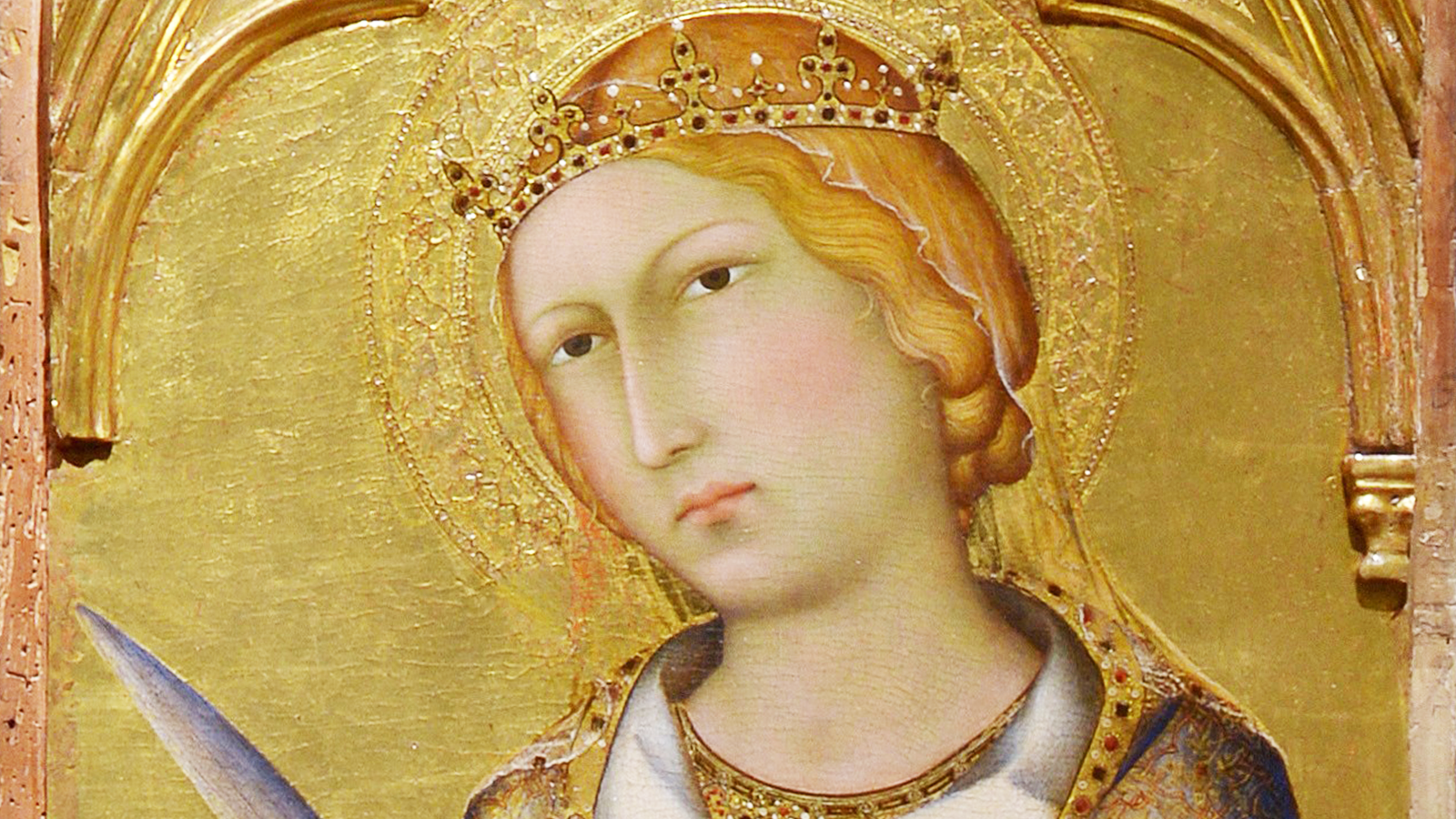
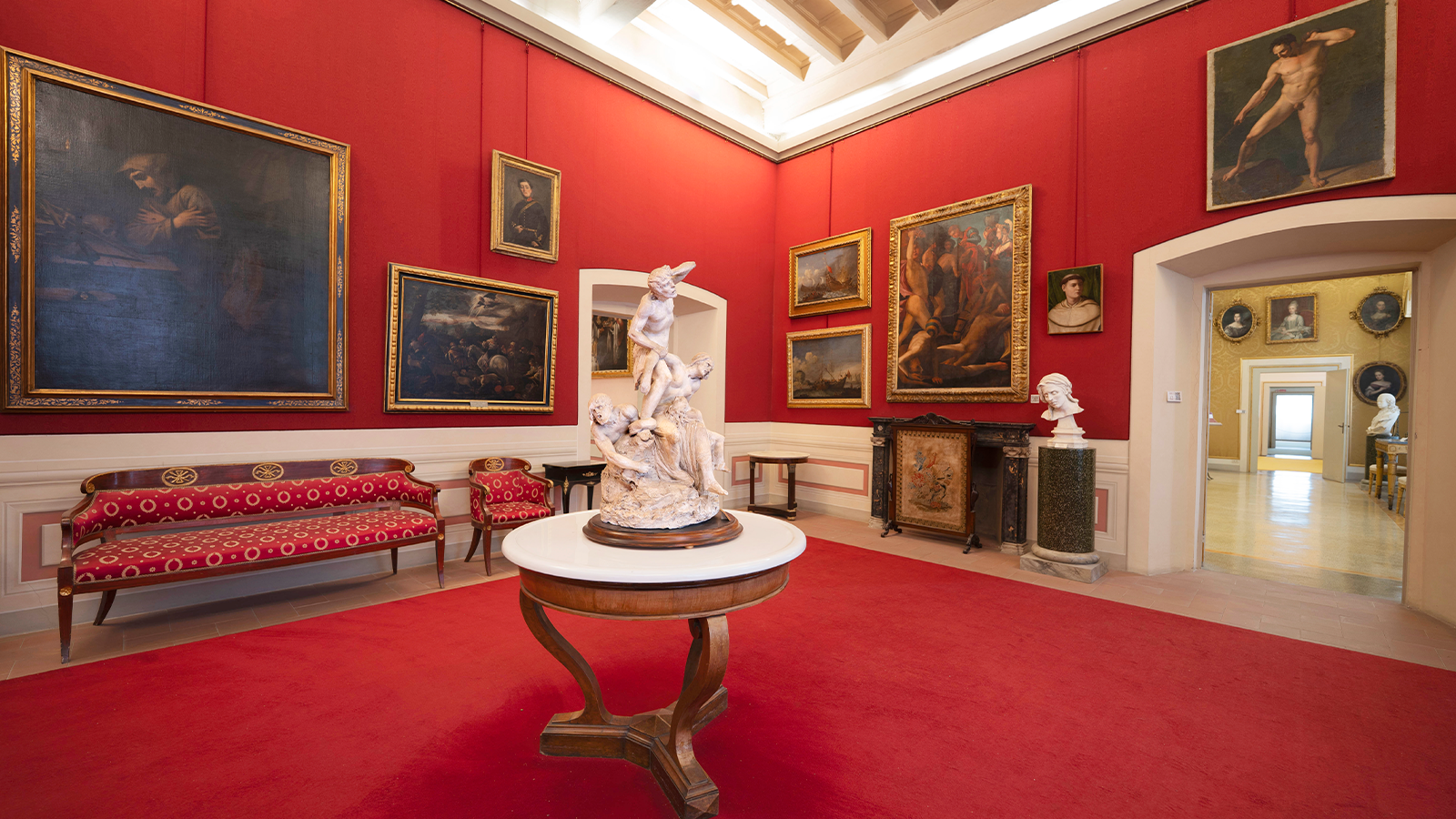
- The permanent art exhibition is organized into three sections: the art collections of the Fondazione Pisa, located on the second floor; the aristocratic residence and the Simoneschi Collection on the first floor
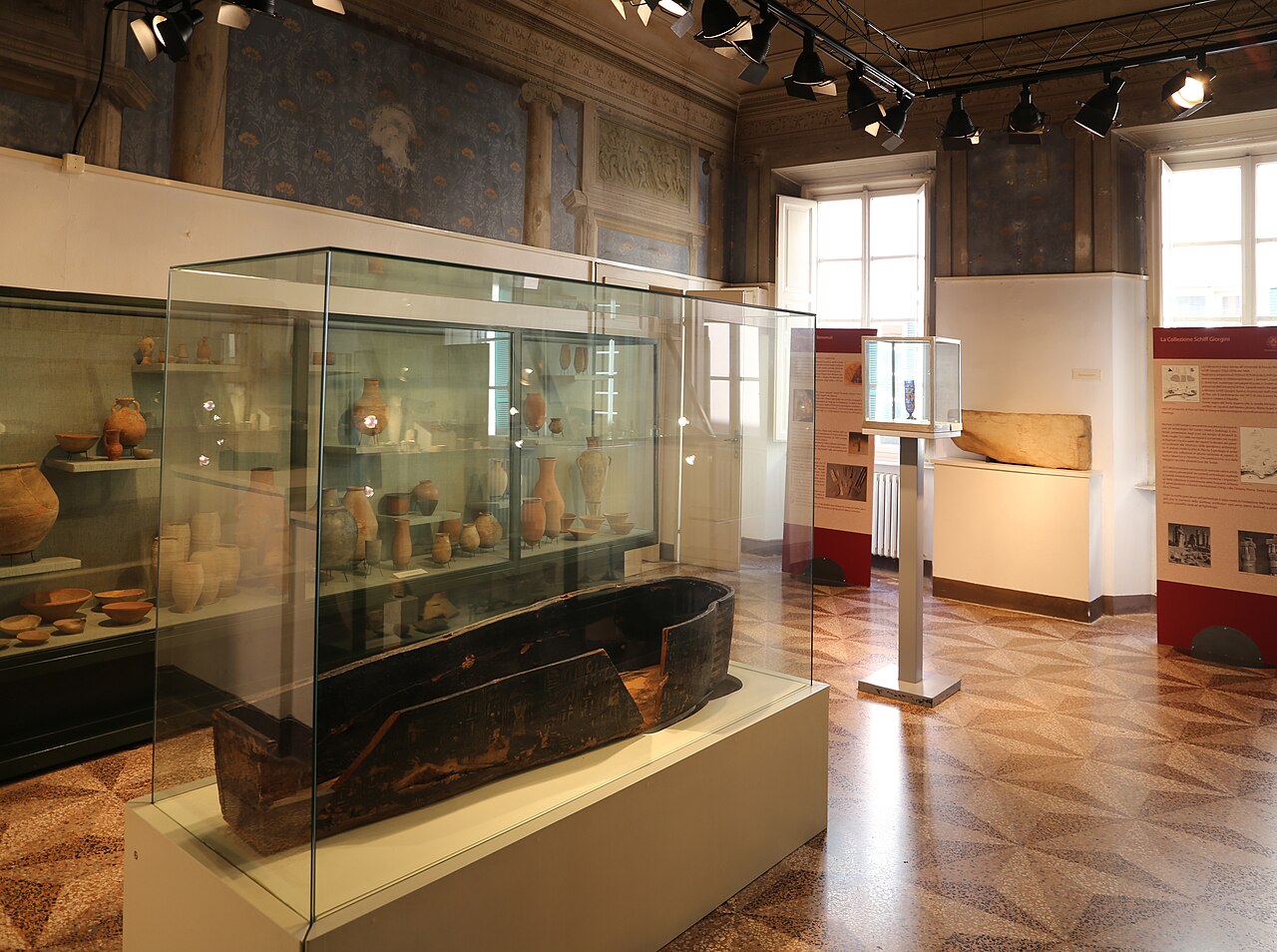
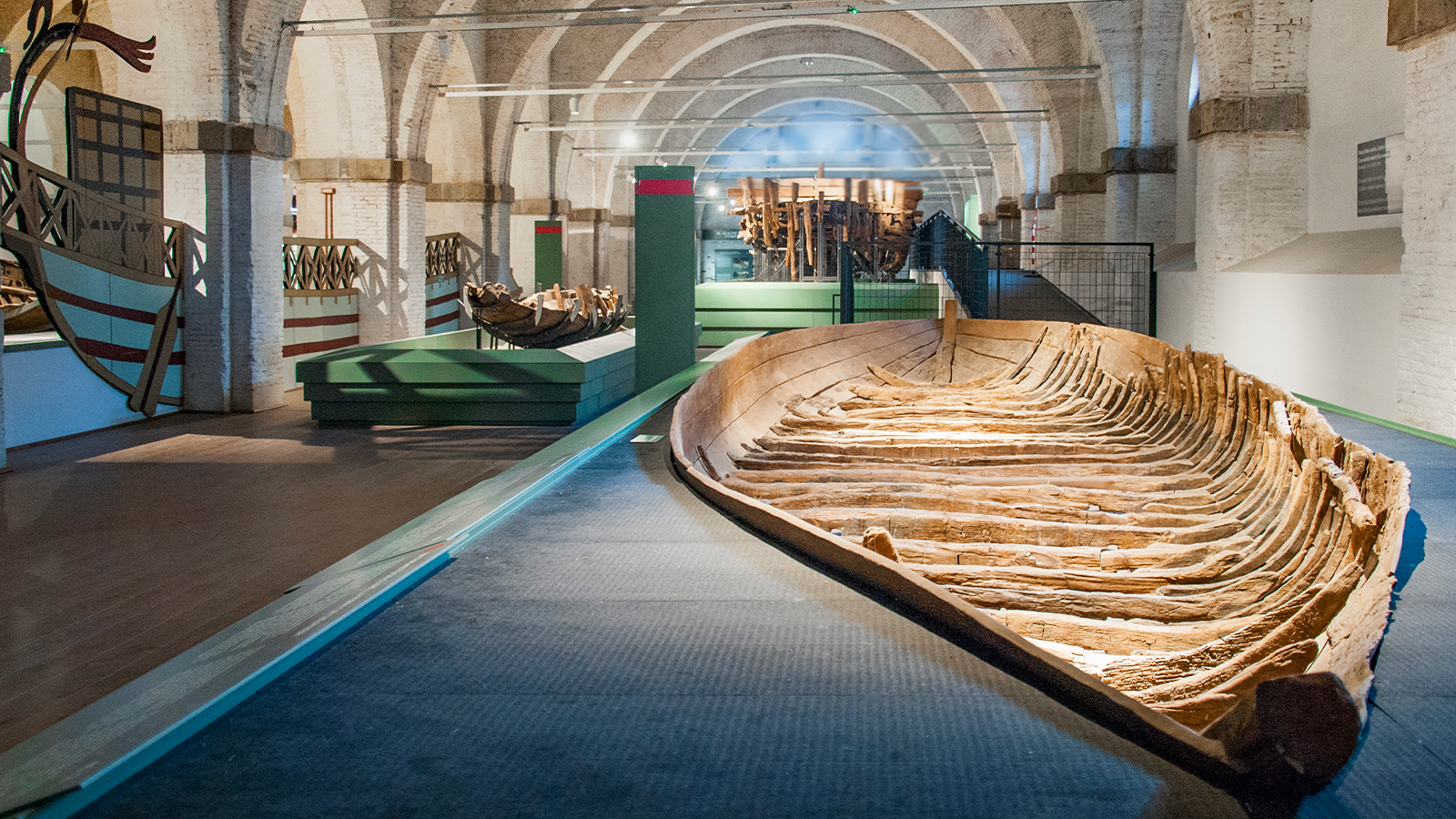
Le Fondamenta, a new exhibition section dedicated to archaeology and medieval history, located on the basement level
Opening hours
Monday to Friday from 10:00 AM to 7:00 PM
Saturday, Sunday, and holidays from 10:00 AM to 8:00 PM
Closed: Mondays when there are no major temporary exhibitions
Last entry one hour before closing.
Special access rules
Visit organization
The ticket allows only one entry and is not reusable. Throughout the museum tour, staff are authorized to request presentation of the ticket, which must therefore be kept for the entire duration of the visit.
For details on offerings and opening hours, always consult Palazzo Blu's official channels.
Baggage check is mandatory for items such as:
medium and large bags, backpacks, shopping bags, umbrellas, selfie sticks, or other items whose danger or size is assessed by security staff. Entry to the museum is permitted only with small bags (such as clutches) and fanny packs, subject to authorization by security staff who will evaluate based on exhibition attendance levels in compliance with safety conditions for visitors and to protect the exhibited works.
The Museum disclaims all responsibility for any theft, loss, or damage to items left inside lockers or other storage areas
For all visitors
All visitors are required to observe behavior consistent with common rules of good conduct. In general, behaviors that may endanger the safety of the works or other visitors are not permitted. It is necessary to respect the general indications on museum signage and instructions from gallery staff. A moderate tone of voice should be maintained. Mobile phones must be turned off or set to silent mode.
The following are strictly prohibited:
- touching works of art or bringing objects near them that could damage them
- leaning on sculpture bases and walls
- running in museum spaces
- using trekking poles
- consuming food and beverages in exhibition areas
- bringing in liquids except for so-called LAGs (liquids, aerosols, and gels) for medical purposes or special dietary requirements, including baby food
- smoking (the prohibition includes electronic cigarettes)
- photographing with flash; photographing or video recording with selfie sticks, tripods, and professional equipment of any kind
- writing on or defacing walls
- littering with paper, bottles, chewing gum, or other waste: use the designated containers!
- bringing knives and/or metal tools of various kinds into the museum; bringing any type of firearm and/or dangerous material. Entry is also prohibited to armed visitors (even with a valid firearms permit); any different conditions must be communicated in advance and possibly authorized by the Institute Director.
- Bringing animals, with the exception of guide dogs for the blind, service dogs for disabled assistance, and domestic animals certified as providing support for therapeutic treatments (pet therapy) with certifications issued by physicians from public health facilities.
- Bringing drones and similar devices.
- Security staff, identifiable by badges and uniforms, are available to visitors for information about the collections, exhibitions and cultural events, and services offered by the museum. Staff are responsible for the safety of exhibited works and people and for compliance with these regulations. Visitors are therefore required to follow instructions from security staff, who are authorized to intervene when necessary and even to remove those whose behavior endangers the safety of works of art or disturbs other visitors.
- Regarding photography, we clarify that according to Legislative Decree 83/2014 (art. 12 paragraph 3), photographing works (excluding those in temporary exhibitions) is permitted for personal use and study, provided no tripods or additional lighting are used. For other different uses (publications or derivative uses including commercial purposes), specific authorization must be requested and, where required, a fee must be paid.
- Please also note that drawing and taking notes with pencil or digital devices is permitted, while the use of paints, easels, lecterns, and other bulky supports or equipment is not allowed.
Groups
- Each group may not exceed 25 people.
- Groups must stay together, follow the guide or teacher/chaperone, and maintain appropriate and respectful behavior, as per the rules stated above.
- No type of amplifier is permitted.
- During guided tours, the tone of voice must be such as not to disturb other visitors.
- Groups of at least ten people, including the guide, are required to use earphones (whisper systems), which allow guides to keep their voice low.
- The use of laser pointers to indicate works is prohibited.
School groups
- Teachers can find information on educational offerings and related materials at this link.
- School groups must be organized into groups of maximum 25 students, plus chaperones.
- Teachers are responsible for their classes; they must keep them together and disciplined and ensure that students' behavior is respectful of the venue, other visitors, and generally compliant with the rules stated above.
Tour guides
The practice of the tour guide profession inside Palazzo Blu is permitted exclusively to professional guides, according to current regulations.
OTHER LOCATIONS